
Who Pays for Fragmentation
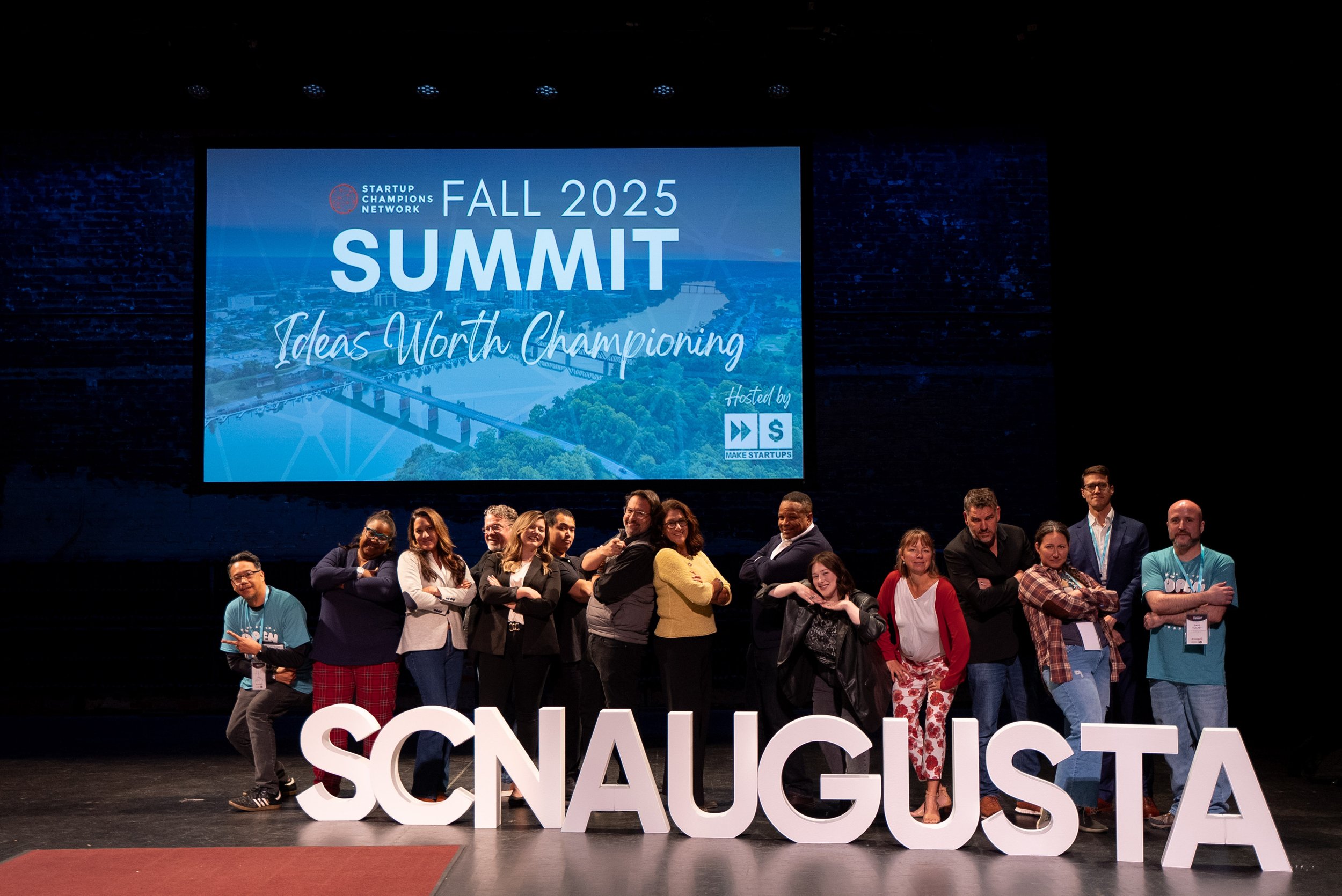
Ideas Worth Championing, Part 1
Founders are never short on ideas. What they lack are consistent signals about what matters next. As entrepreneur support expands, ecosystems grow more complex, advice fragments, and expectations shift from room to room. What is meant to reduce risk increasingly creates noise, forcing founders to guess which signals matter and which missteps they cannot afford.
That guessing is not evenly distributed.
Some founders learn quickly how to read between the lines. They recognize which feedback is performative and which is consequential. They understand how to reframe their story for different audiences and adjust without losing momentum. Others, equally capable, absorb conflicting advice at face value. They disappear.
We rarely call this fragmentation. Instead, we look past attrition and claim success based on the few who survive.
In the first of this multipart “Ideas Worth Championing” series, we’ll examine lessons surfaced at the #SCNAugusta summit, hosted by Make Startups and Startup Champions Network. We encourage you to watch the videos yourself and consider this question: how do we build ecosystems that collaborate around the entrepreneur, instead of forcing founders to navigate internal competition they never signed up for?
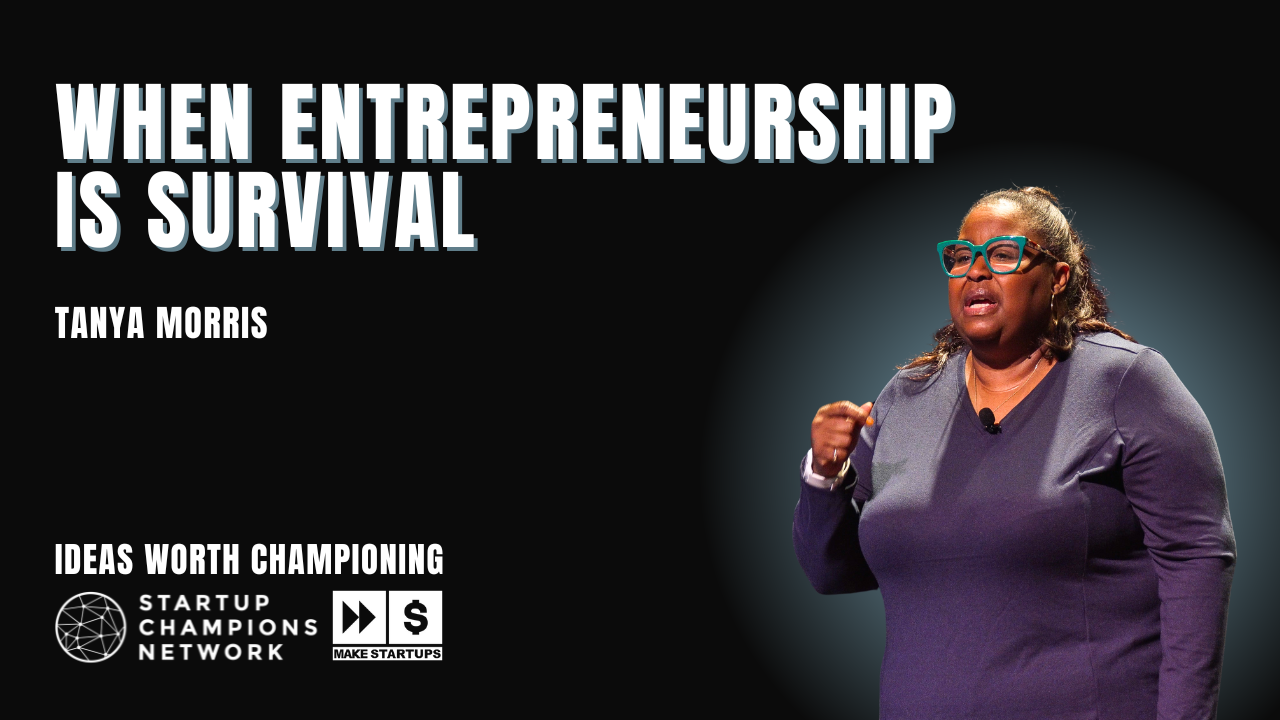
This Ain’t a Program: It’s a Lifeline - Tanya T. Morris
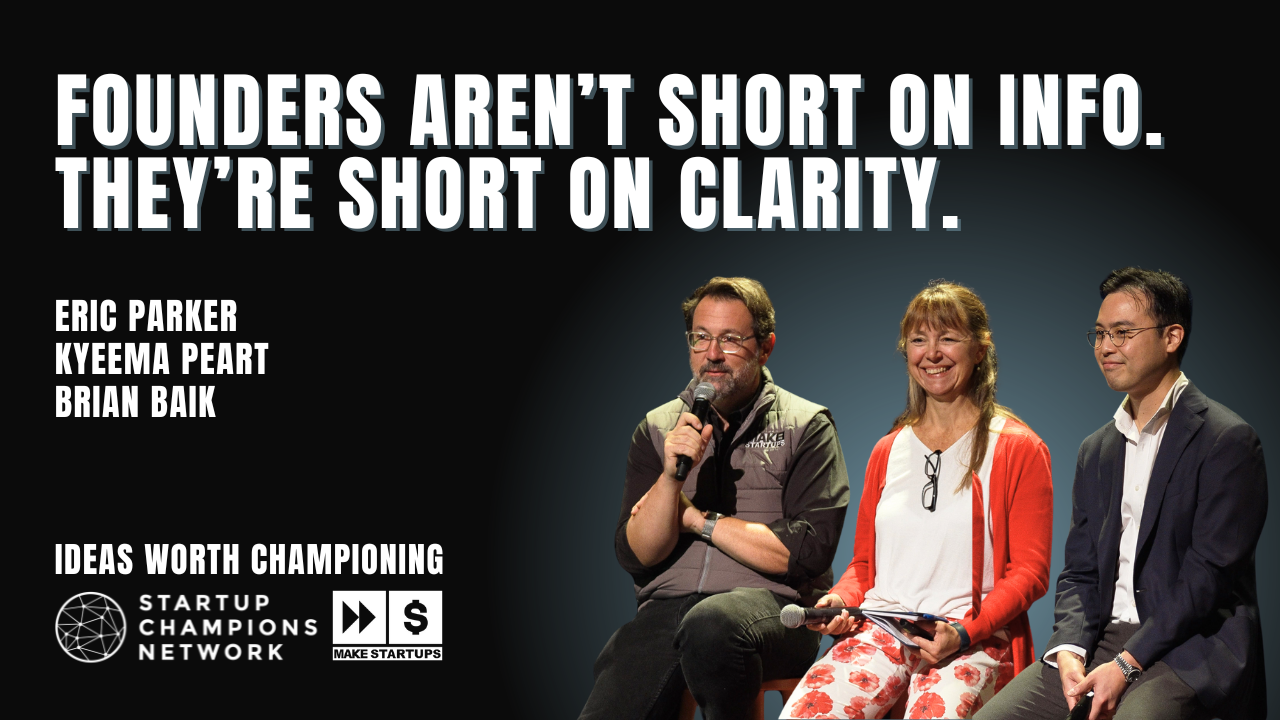
What Information do Entrepreneurs Need? - Brian Baik, Kyeema Peart, Eric Parker
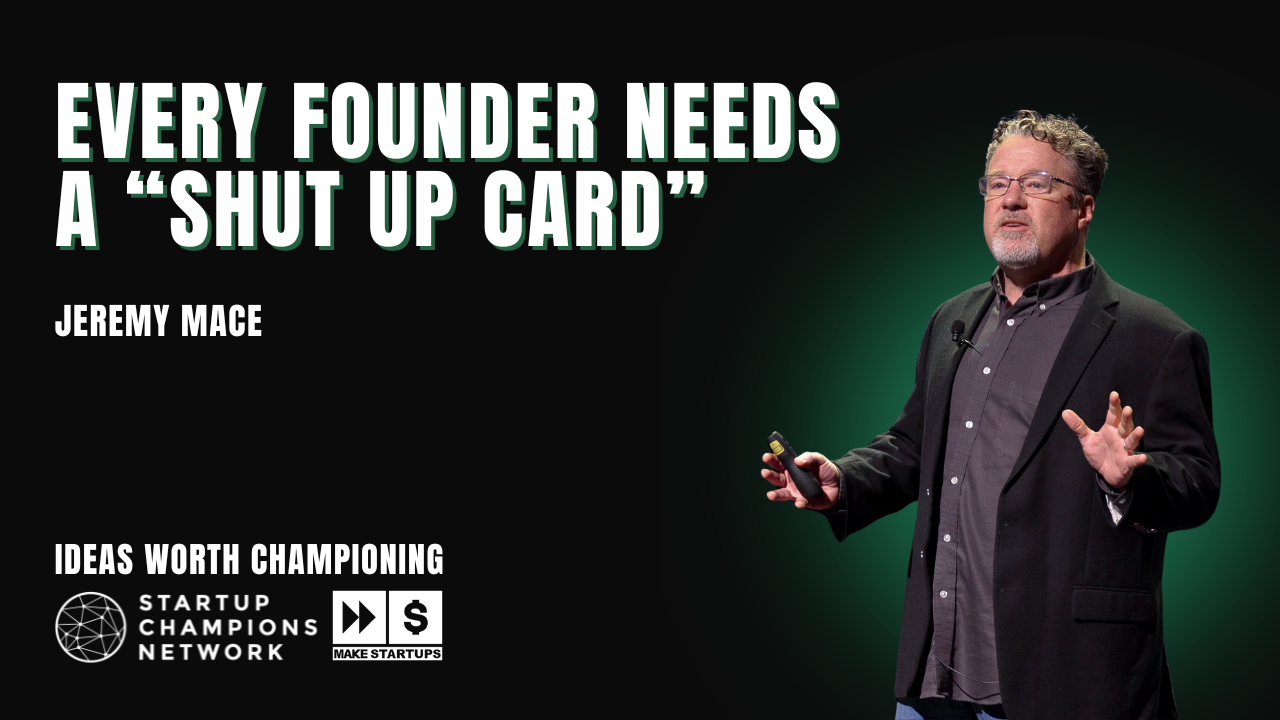
The Value of Mentors and Mentoring - Jeremy Mace
The cost of fragmentation becomes clearest when we stop viewing ecosystems through a builder’s lens and instead see them as founders do, especially those for whom entrepreneurship is necessity-driven.
When entrepreneurship is not aspirational, when it is the only viable path left, inconsistency becomes destabilizing. As Tanya Morris puts it, “For so many entrepreneurs that we serve, this isn’t about chasing a dream. It’s about survival.” In that reality, gaps in support are not inconvenient. “When you don’t show up,” she says plainly, “an entrepreneur goes out of business.”
Click to Watch
The problem is not a lack of effort or intelligence on the founder’s part. It is the environment we ask them to navigate. Founders are surrounded by information, yet clarity remains elusive. Feedback arrives fragmented and unsequenced. Each new interaction resets expectations instead of building on prior learning.
As Brian Baik asks, how are entrepreneurs supposed to “digest all these types of information and generate rational business decisions” when the signals conflict and context is missing?
We call this rigor. Founders experience it as guesswork.
Click to Watch
The intention is good. We want to support more founders, in more places, through more pathways. But without coordination, growth creates interference. Kyeema Peart names the contradiction directly. “We don’t want a funnel where ninety-five percent fall out so we can celebrate one or two winners,” she says. “We’re trying to raise all the boats.”
Fragmented ecosystems do not raise boats. They sort founders. Those who already understand the language advance. Those who don’t quietly exit. We then point to the survivors as proof the system works.
When signals align, the shift is subtle but profound. Founders stop defending their ideas and start engaging with feedback. I’ve seen this shift firsthand in CofounderOS. All of a sudden, founders stop defending their ideas and ask a different question: “How can you help me beat this video game?” When the rules are visible, people play seriously. When they aren’t, they disengage.
The same dynamic applies to leaders and mentors. Experience alone does not prevent blind spots. Jeremy Mace puts it bluntly: everyone needs someone who holds their “shut up card.” Someone willing to interrupt confidence before it turns into a collision. Someone to point and say, “That’s the iceberg.”
Click to Watch
Without that intervention, wisdom doesn’t compound. Mistakes repeat. Each founder, each program, each ecosystem relearns the same lessons at full cost.
And this is why fragmentation matters.
When systems compete instead of coordinate, founders absorb the risk. Not institutions. Not programs. When ecosystem builders fail to collaborate, the people trying to build something while carrying families, payroll, and community expectations are the ones who pay the price.
This moment calls for fewer voices and clearer signals. Less activity and more coherence. Ecosystems that collaborate around founders instead of competing in ways founders pay for.
The three talks linked above offer different windows into this problem. Taken together, they ask a simple but uncomfortable question: are we actually making it easier for founders to move forward, or are we asking them to succeed despite us?
Watch them with that question in mind.