🏴☠️ We don’t build ecosystems
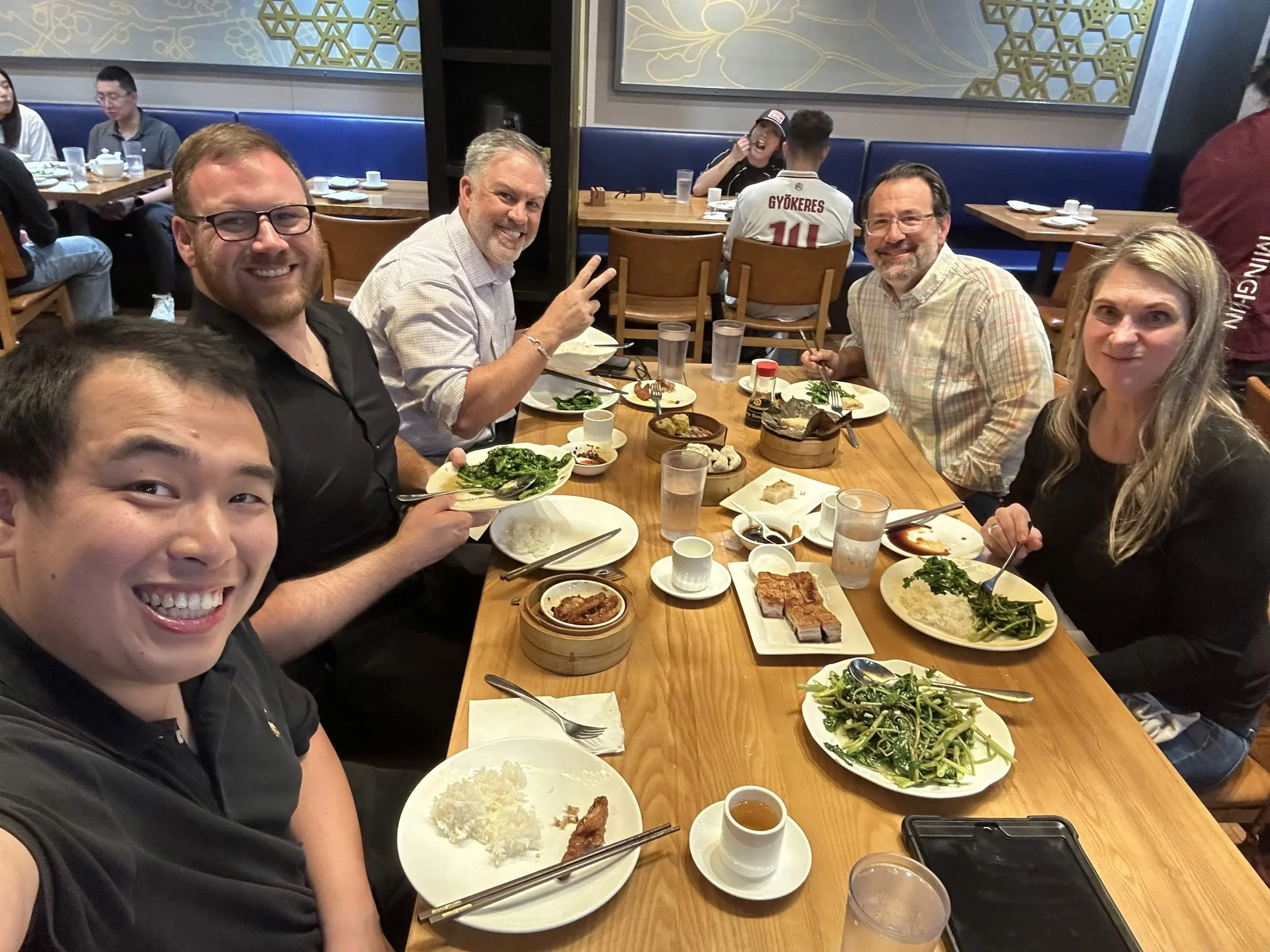
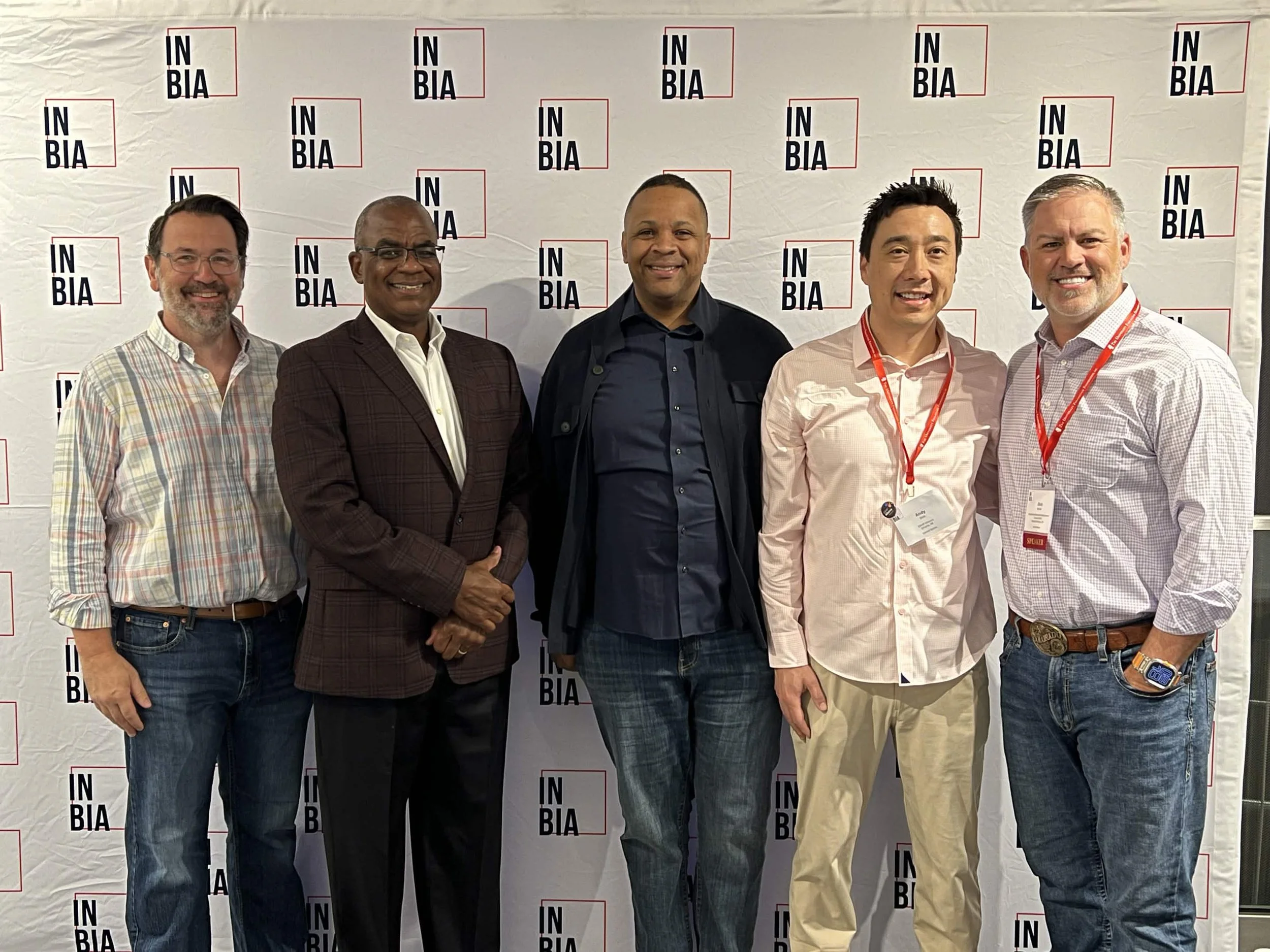
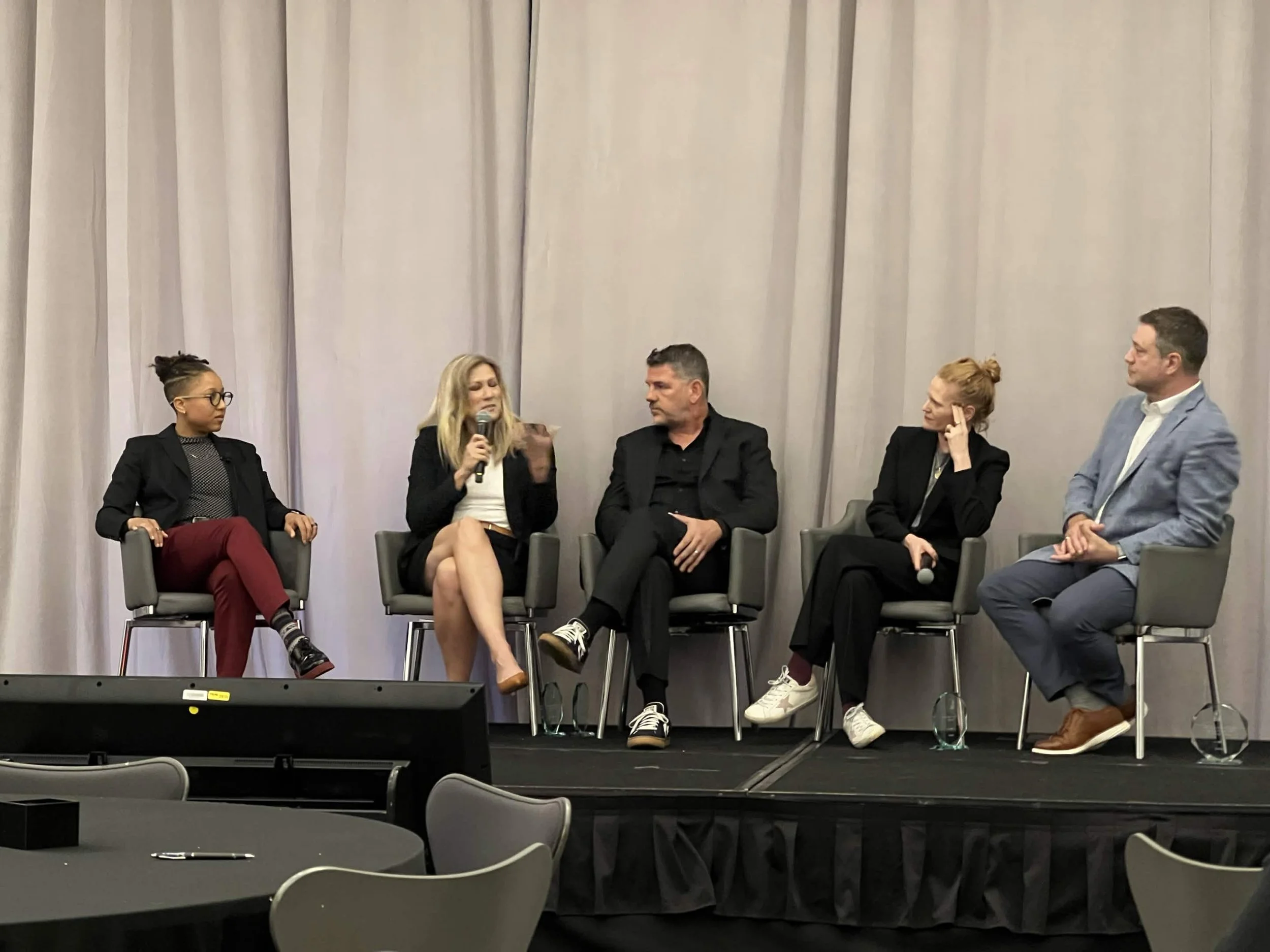
This week, InBIA hosted the ICBI40 in Chicago. In truth, we hadn’t planned to attend as we refocus after hosting the Fall SCN Summit in Augusta towards growing CofounderOS and launching new research with Harvard Business School.
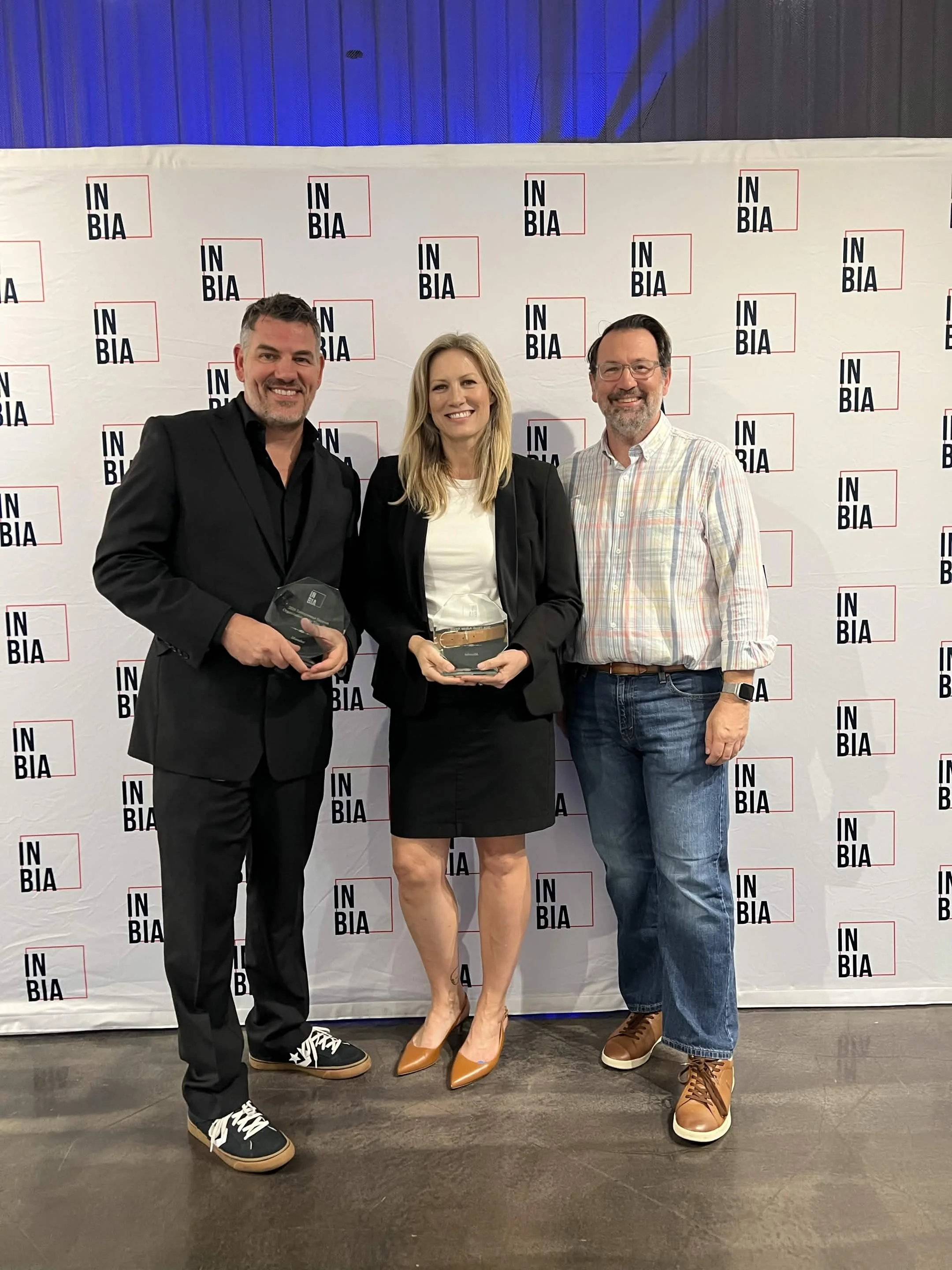
When we found out our partners at Moonshot had been nominated as Rural Entrepreneur Support Organization of the Year, however, we really wanted to be in Chicago to support and cheer them on. Once there, we were reminded how essential these gatherings are.
Being in a position to help founders is both a joyous reward, and an exercise in self isolation for many.
These gatherings provide the place where we surround ourselves with people who understand that building startups actually means supporting founders. It means having the empathy to understand that starting a business creates mental health challenges that are often the key blockers to revenue growth and successful economic development strategies.
And being in those rooms, you start to notice something.
We operate in a world that increasingly thinks through a lens of ecosystems.
But healthy ecosystems are a byproduct of our true work.
Helping founders.
This is the key institutional challenge that many entered our field to address. We understand that while business can and often should fail, as a society we need to ensure that our founders and communities do not.
Economic development occurs when we invest in people.
Individual people, at scale.
And yet, too often, ecosystem building becomes a time consuming exercise in seeking permission through consensus. Conversations about alignment. Strategy layered on strategy. Efforts to design the system, instead of moving within it.
But startups are not born from permission.
They begin when someone says, “I see that,” and moves. They gather what resources they can. They find a way forward.
That is how every startup is born.
And if we are honest, it is how most meaningful progress happens in our field as well.
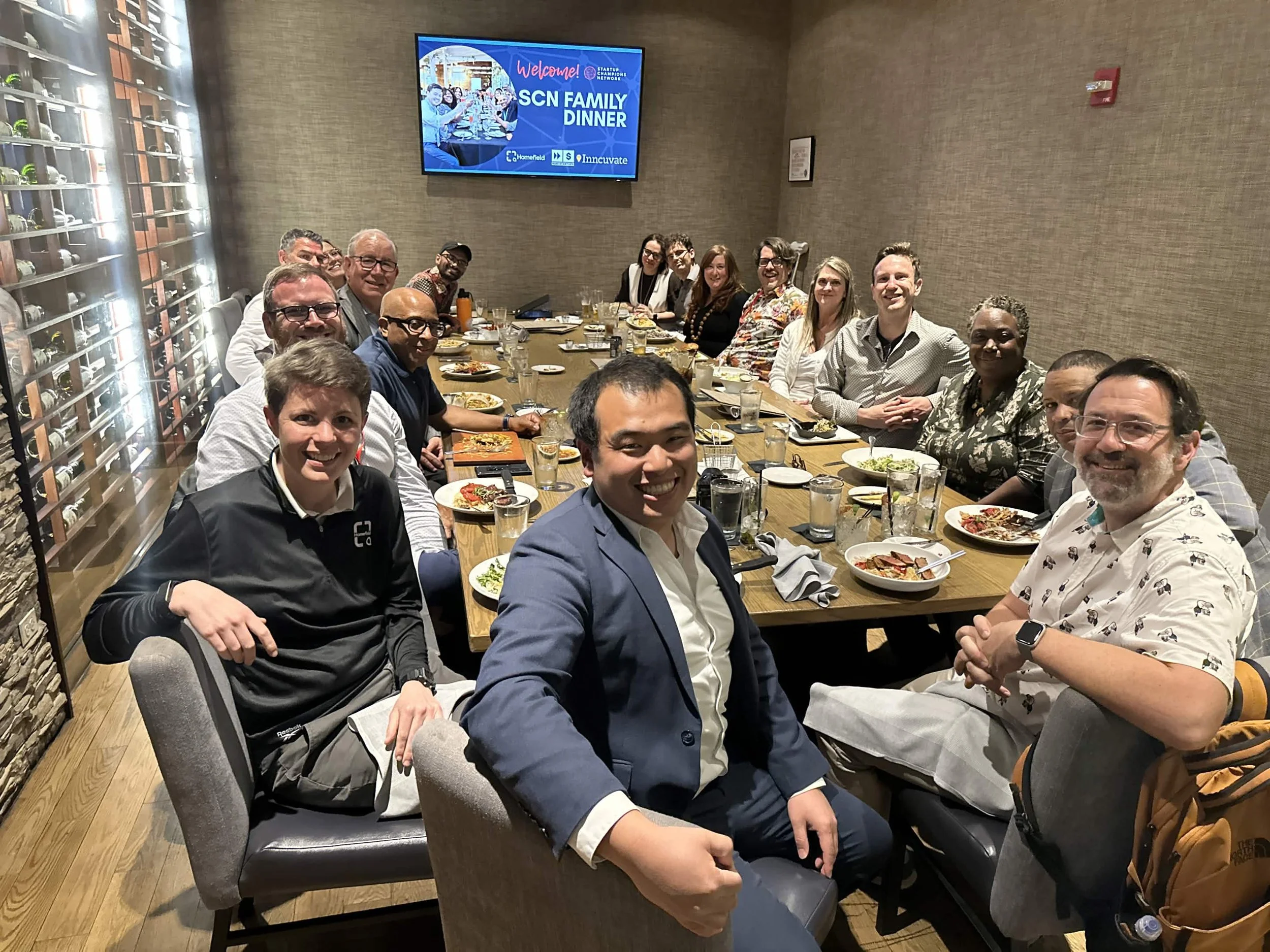
At the Startup Champions Network dinners, we talked about our own organization’s history as one of pirates, charting our own voyage in a sea filled with institutional stakeholders.
We see founders as misfits and outcasts, and for many of us, we see ourselves through this same lens.
Pirates don’t wait for permission.
They navigate freely and act on the opportunities they see before others do.
To be clear, like ecosystems, piracy is a metaphor. Most people in our field are servant leaders who seek to add value, not exploit. But the metaphor still forces an important question:
Are we free to navigate toward what founders actually need?
Or are we bound too tightly to the structures we have inherited?
Here’s where the tide turns. When we put founders first, we stop trying to route them through the system we have, and start connecting them to the resources they actually need.
We stop chasing metrics, and start fielding offers.
We stop designing ecosystems as the goal, and start enabling momentum.
We don’t build ecosystems. We commandeer them.
In doing so, something interesting happens.
The ecosystem takes form around what founders need instead of abstract institutional goals. It evolves from the movement of founders, the flow of resources, the lessons from successes and failures, and the trust built between people doing the work.
It becomes something none of us could have designed on our own because it solves the real problems that exist.
It is an honor to convene together with the people who understand that, and who are constantly seeking better ways to help.
Our joy is greater when we work together.
Because in the end… nobody works alone.
#BeTheNode